Buy equalizers.eu ?
We are moving the project
equalizers.eu .
Are you interested in purchasing the domain
equalizers.eu ?
domain@kv-gmbh.de · 0541-91531010
Buy equalizers.eu ?
What is needed for studying orthodontics?
To study orthodontics, one typically needs to have a bachelor's degree in a related field such as biology or chemistry. After completing a bachelor's degree, one must attend dental school to earn a Doctor of Dental Surgery (DDS) or Doctor of Dental Medicine (DMD) degree. Following dental school, additional training and education in orthodontics is required through a postgraduate orthodontic residency program, which can take an additional 2-3 years to complete. **
What are bio-arches or orthodontics?
Bio-arches, also known as orthodontics, are a branch of dentistry that focuses on correcting irregularities in the teeth and jaws. This can include issues such as misaligned teeth, overbites, underbites, and crowded teeth. Orthodontic treatment often involves the use of braces, aligners, and other dental appliances to gradually move the teeth into their proper positions. The goal of bio-arches or orthodontics is to improve the function and appearance of the teeth and jaws, as well as overall oral health. **

Similar search terms for Orthodontics
Top-Angebote
Products related to Orthodontics:
-
Drop Dash Deals Wheel Spacers Enhance Stability & Performance Wheel Spacers Enhance Stability & Performance"Unlock superior handling and stability for your Kawasaki Lakota 300, Mojave 250, or Tecate with our 2pcs 0.98 inches approx 1"" approx 4156 Wheel Spacers. Made from durable highquality T6 6061 billet aluminum, these spacers are designed for improved..."94,97 $*Shipping: 0,00 $Secure redirect to the provider
-
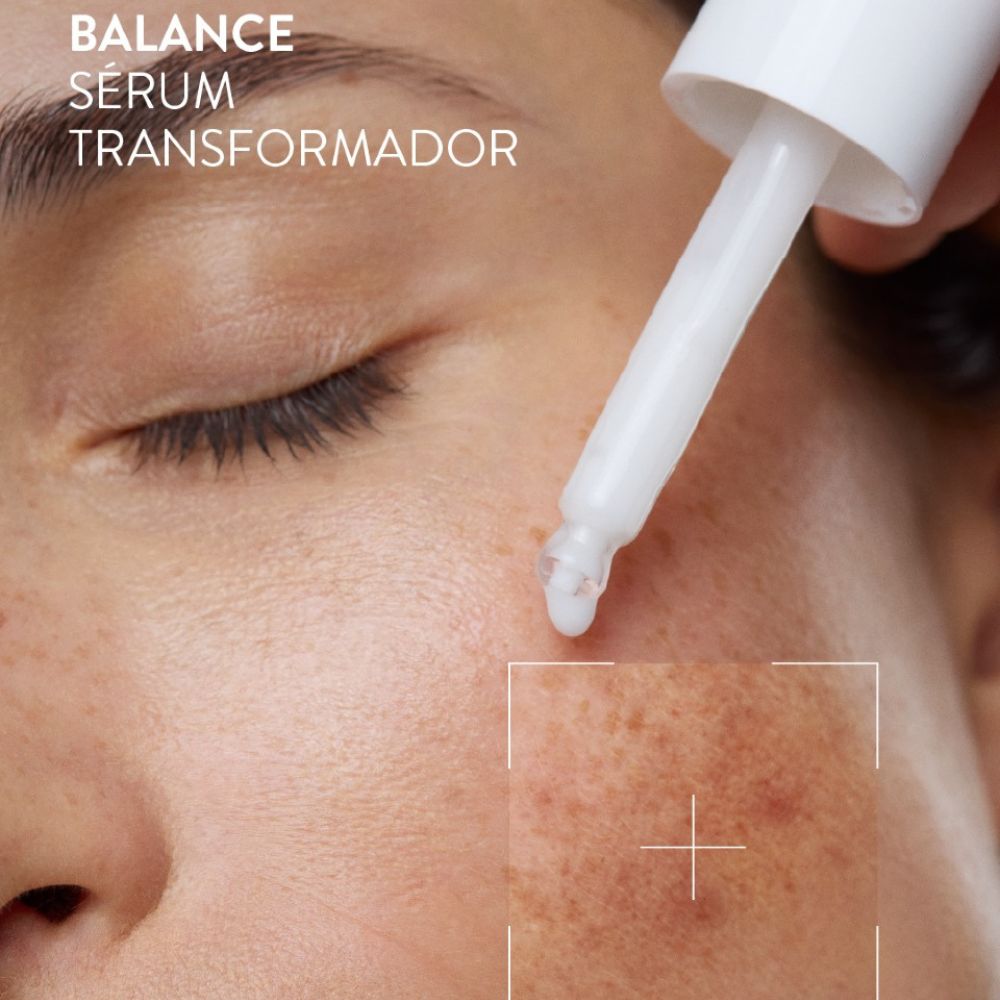
Babé Balance Serum Sebum Control and Pore Refiner 30mLA facial serum for oily or blemish-prone skin. Babé Balance Serum targets adult acne with a lightweight, powerful formula that reduces marks, unclogs pores, and controls shine for smooth, even, and balanced skin. Reduces marks and imperfections, minimizes pore size. Reduces blemishes, acne marks, and skin imperfections.24,39 £*Shipping: 5,22 £Secure redirect to the provider
-
New Balance 928v3 Motion Control - Mens 8.5 White Walking D*Superior comfort is yours when you choose this well-designed walking shoe. Full grain or suede leather upper. Foam tongue and collar cushioning. Lace-up closure. Removable dual-density polyurethane footbed. Engineered glass fiber and TPU ROLLBAR...159,95 $*Shipping: 0,00 $Secure redirect to the provider



-
What is a palatal anchorage in orthodontics?
Palatal anchorage in orthodontics refers to the use of the palate (the roof of the mouth) as a stable point of support to help move teeth into their correct positions. This technique is often used in cases where there is a need to prevent unwanted movement of certain teeth while adjusting the position of others. Palatal anchorage can be achieved through the use of devices such as palatal expanders or temporary implants that are attached to the palate to provide additional support during orthodontic treatment. **
-
What is a palate anchorage in orthodontics?
In orthodontics, palate anchorage refers to using the roof of the mouth (palate) as a source of anchorage to help move teeth into their correct positions. This technique is often used when there is a need to create space or correct the alignment of teeth. Palate anchorage can be achieved through the use of devices such as palatal expanders or temporary anchorage devices (TADs) that are attached to the palate to provide additional support during orthodontic treatment. By utilizing palate anchorage, orthodontists can achieve more precise and effective tooth movement. **
-
What is a functional analysis in orthodontics?
A functional analysis in orthodontics is a comprehensive evaluation of the relationship between the teeth, jaws, and surrounding structures to assess how they function together. This analysis helps orthodontists understand how the patient's bite and jaw movements may be contributing to any orthodontic issues. By examining factors such as jaw alignment, muscle function, and bite patterns, orthodontists can develop a treatment plan that addresses not only the alignment of the teeth but also the overall function of the patient's bite. This approach ensures that the orthodontic treatment not only improves the aesthetics of the smile but also enhances the overall function and health of the patient's bite. **
-
What is a palate anchor in orthodontics?
A palate anchor in orthodontics is a device used to widen the upper jaw. It is typically attached to the roof of the mouth and connected to braces or other orthodontic appliances. The palate anchor helps create more space in the mouth for crowded teeth and can also help correct bite issues. This device is often used in conjunction with other orthodontic treatments to achieve optimal results. **


What level of education is required for orthodontics?
To become an orthodontist, one must complete a bachelor's degree, followed by four years of dental school to earn a Doctor of Dental Surgery (DDS) or Doctor of Dental Medicine (DMD) degree. After dental school, orthodontists must complete an additional two to three years of specialized training in an orthodontic residency program. This means that a total of 10-11 years of education and training is required to become an orthodontist. **
Should one study orthodontics or pursue an apprenticeship?
The decision to study orthodontics or pursue an apprenticeship depends on individual career goals and interests. Studying orthodontics requires a significant investment of time and resources, but it can lead to a specialized and potentially lucrative career in dentistry. On the other hand, pursuing an apprenticeship can provide hands-on experience and practical skills in a specific trade or profession. Ultimately, individuals should consider their long-term career aspirations, personal strengths, and preferences before making a decision. **
Top-Angebote
Products related to Orthodontics:
-
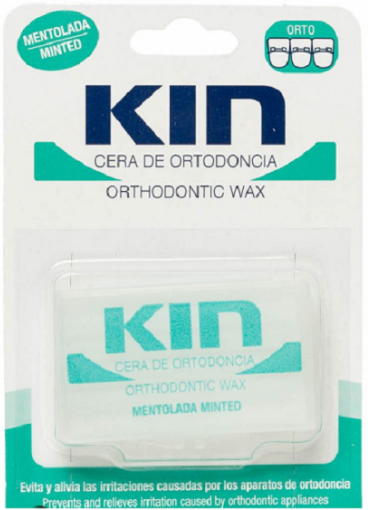
Kin Mentholated wax OrthodonticsHealth and Beauty Oral Care Kin Mentholated wax Orthodontics Mentholated orthodontic wax to prevent the brackets from rubbing the buccal mucose by covering the edges of the appliances and braces. Contains five 4.5 mm x 55 mm wax bars. Guidelines for administration Cut off a piece of the orthodontic wax from the case and apply on the area (wire or bracket) causing the pain. Presentations: 5 barras6,26 £*Shipping: 3,99 £Secure redirect to the provider
-
Lit-Control Lit-control Ph Balance Magnesium Phytate 60 CapsNutrition and Supplements Special supplements Lit-Control Lit-control Ph Balance Magnesium Phytate 60 Caps What is Devicare Lit-Control pH Balance Phytate Magnesium 60 Capsules ? Devicare Lit-Control pH Balance Phytate Magnesium 60 Capsules is a food supplement developed to help maintain the health of the urinary system and contribute to reducing the formation of calcium kidney stones, especially calcium oxalate stones. Its patented formula combines phytate, magnesium, and polyphenols , ingredients that work together to inhibit the crystallization of calcium salts and protect the kidneys from oxidative stress. This supplement has been designed for people predisposed to developing kidney stones or who wish to support the care of their urinary system after an episode of kidney stones. Its action focuses on promoting acid-base balance without altering urinary pH, helping to prevent the formation and growth of new crystals. Devicare Lit-Control Ph Balance Phytate Magnesium 60 Capsules is suitable for continuous use and stands out for being a gluten-free, lactose-free, vegan, sugar-free and low-salt formula, adapting to different nutritional needs. What are the benefits of Devicare Lit-Control pH Balance Phytate Magnesium 60 Capsules ? The combination of phytate, magnesium, and polyphenols makes this supplement a specific solution for the care of the urinary system and the prevention of kidney stone formation. It helps reduce the formation of calcium kidney stones , especially calcium oxalate stones. It helps inhibit the crystallization of calcium salts in the urinary tract. Phytate limits the formation and growth of calcium crystals. Magnesium works in a complementary way with phytate to help prevent kidney stones. Polyphenols help combat oxidative stress that can affect kidney tissue. It contributes to the normal functioning of acid-base metabolism . It promotes the maintenance of the health of the urinary system. It can be used as support after procedures related to the removal of kidney stones. Suitable for people with gluten or lactose intolerance and for those who follow a vegan diet. Thanks to its specific formulation, Devicare Lit-Control Ph Balance Phytate Magnesium 60 Capsules is a suitable supplement for those who wish to take care of their kidney health continuously, always as part of a healthy lifestyle and proper hydration. How to take Devicare Lit-Control pH Balance Phytate Magnesium 60 Capsules ? For best results, it is recommended to follow the usage instructions provided for the product. Take 1 capsule twice a day . Take one capsule at breakfast and another at dinner. Drink a glass of water with each dose. If you have difficulty swallowing the capsule, its contents can be dispersed in water, juice, or yogurt. Follow the usage guidelines recommended by the healthcare professional when it is necessary to prolong the treatment. Continued use of Devicare Lit-Control Ph Balance Phytate Magnesium 60 Capsules , along with adequate hydration...33,33 £*Shipping: 3,99 £Secure redirect to the provider
-
Drop Dash Deals Wheel Spacers Enhance Stability & Performance Wheel Spacers Enhance Stability & Performance"Unlock superior handling and stability for your Kawasaki Lakota 300, Mojave 250, or Tecate with our 2pcs 0.98 inches approx 1"" approx 4156 Wheel Spacers. Made from durable highquality T6 6061 billet aluminum, these spacers are designed for improved..."94,97 $*Shipping: 0,00 $Secure redirect to the provider
-
What is needed for studying orthodontics?
To study orthodontics, one typically needs to have a bachelor's degree in a related field such as biology or chemistry. After completing a bachelor's degree, one must attend dental school to earn a Doctor of Dental Surgery (DDS) or Doctor of Dental Medicine (DMD) degree. Following dental school, additional training and education in orthodontics is required through a postgraduate orthodontic residency program, which can take an additional 2-3 years to complete. **
-
What are bio-arches or orthodontics?
Bio-arches, also known as orthodontics, are a branch of dentistry that focuses on correcting irregularities in the teeth and jaws. This can include issues such as misaligned teeth, overbites, underbites, and crowded teeth. Orthodontic treatment often involves the use of braces, aligners, and other dental appliances to gradually move the teeth into their proper positions. The goal of bio-arches or orthodontics is to improve the function and appearance of the teeth and jaws, as well as overall oral health. **
-
What is a palatal anchorage in orthodontics?
Palatal anchorage in orthodontics refers to the use of the palate (the roof of the mouth) as a stable point of support to help move teeth into their correct positions. This technique is often used in cases where there is a need to prevent unwanted movement of certain teeth while adjusting the position of others. Palatal anchorage can be achieved through the use of devices such as palatal expanders or temporary implants that are attached to the palate to provide additional support during orthodontic treatment. **
-
What is a palate anchorage in orthodontics?
In orthodontics, palate anchorage refers to using the roof of the mouth (palate) as a source of anchorage to help move teeth into their correct positions. This technique is often used when there is a need to create space or correct the alignment of teeth. Palate anchorage can be achieved through the use of devices such as palatal expanders or temporary anchorage devices (TADs) that are attached to the palate to provide additional support during orthodontic treatment. By utilizing palate anchorage, orthodontists can achieve more precise and effective tooth movement. **
Similar search terms for Orthodontics
-
Babé Balance Serum Sebum Control and Pore Refiner 30mLA facial serum for oily or blemish-prone skin. Babé Balance Serum targets adult acne with a lightweight, powerful formula that reduces marks, unclogs pores, and controls shine for smooth, even, and balanced skin. Reduces marks and imperfections, minimizes pore size. Reduces blemishes, acne marks, and skin imperfections.24,39 £*Shipping: 5,22 £Secure redirect to the provider
-
New Balance 928v3 Motion Control - Mens 8.5 White Walking D*Superior comfort is yours when you choose this well-designed walking shoe. Full grain or suede leather upper. Foam tongue and collar cushioning. Lace-up closure. Removable dual-density polyurethane footbed. Engineered glass fiber and TPU ROLLBAR...159,95 $*Shipping: 0,00 $Secure redirect to the provider
-
What is a functional analysis in orthodontics?
A functional analysis in orthodontics is a comprehensive evaluation of the relationship between the teeth, jaws, and surrounding structures to assess how they function together. This analysis helps orthodontists understand how the patient's bite and jaw movements may be contributing to any orthodontic issues. By examining factors such as jaw alignment, muscle function, and bite patterns, orthodontists can develop a treatment plan that addresses not only the alignment of the teeth but also the overall function of the patient's bite. This approach ensures that the orthodontic treatment not only improves the aesthetics of the smile but also enhances the overall function and health of the patient's bite. **
-
What is a palate anchor in orthodontics?
A palate anchor in orthodontics is a device used to widen the upper jaw. It is typically attached to the roof of the mouth and connected to braces or other orthodontic appliances. The palate anchor helps create more space in the mouth for crowded teeth and can also help correct bite issues. This device is often used in conjunction with other orthodontic treatments to achieve optimal results. **
-
What level of education is required for orthodontics?
To become an orthodontist, one must complete a bachelor's degree, followed by four years of dental school to earn a Doctor of Dental Surgery (DDS) or Doctor of Dental Medicine (DMD) degree. After dental school, orthodontists must complete an additional two to three years of specialized training in an orthodontic residency program. This means that a total of 10-11 years of education and training is required to become an orthodontist. **
-
Should one study orthodontics or pursue an apprenticeship?
The decision to study orthodontics or pursue an apprenticeship depends on individual career goals and interests. Studying orthodontics requires a significant investment of time and resources, but it can lead to a specialized and potentially lucrative career in dentistry. On the other hand, pursuing an apprenticeship can provide hands-on experience and practical skills in a specific trade or profession. Ultimately, individuals should consider their long-term career aspirations, personal strengths, and preferences before making a decision. **
* All prices are inclusive of VAT and, if applicable, plus shipping costs. The offer information is based on the details provided by the respective shop and is updated through automated processes. Real-time updates do not occur, so deviations can occur in individual cases. ** Note: Parts of this content were created by AI.