Buy equalizers.eu ?
We are moving the project
equalizers.eu .
Are you interested in purchasing the domain
equalizers.eu ?
domain@kv-gmbh.de · 0541-91531010
Buy equalizers.eu ?
How can one modify a microwave transformer?
Modifying a microwave transformer can be dangerous and should only be done by someone with the proper knowledge and experience. However, some common modifications include rewinding the transformer to change its output voltage, adding additional windings for different applications, or changing the core material to alter its magnetic properties. It's important to note that any modifications should be done with caution and with a thorough understanding of the potential risks and safety precautions. **
Can I connect a transformer to another transformer?
Yes, it is possible to connect one transformer to another transformer. This is known as transformer coupling and is commonly used in electrical systems to step up or step down voltage levels. By connecting the primary winding of one transformer to the secondary winding of another transformer, the voltage can be further adjusted to meet specific requirements. However, it is important to ensure that the transformers are properly matched and that the connection is made in accordance with the manufacturer's specifications to avoid damage or malfunction. **


Similar search terms for Transformer
Top-Angebote
Products related to Transformer:
-
Drop Dash Deals Variac Transformer Variable Voltage AC Regulator Amp Variac Transformer Variable Voltage AC Regulator AmpTake full control of your electrical projects with this 1 pc of Variable Voltage AC Regulator, designed for precision and reliability. Perfect for electricians, hobbyists, and DIY enthusiasts, it delivers adjustable power safely and efficiently....249,97 $*Shipping: 0,00 $Secure redirect to the provider
-
Tools, Home & Hobby 2000VA Variable Voltage Transformer With LCD Display And Adjustable AC Voltage Regulator 2000VA Variable Voltage Transformer With LCD Display And Adjustable AC Voltage RegulatorTake control of your power with confidence and precision. This variable voltage transformer provides adjustable 0130V output from a 110V input, making it ideal for home workshops, offices, laboratories, and industrial applications. Its AC voltage...197,97 $*Shipping: 0,00 $Secure redirect to the provider
-
Rinnai P70EV-707 HD70E Transformer - Genuine SpareRinnai P70EV-707 HD70E Transformer - (P70EV-707) When a Rinnai HD70E goes completely dead — no display, no controller response, no ignition attempt at all — the transformer is one of the first things a qualified engineer should check. It sits between the 230V mains supply and the PCB, stepping mains voltage down to the low DC levels the control board and remote controller need to operate. Transformer voltages on the HD70E are measured with the appliance in standby, which makes bench testing straightforward. If the transformer has failed, the PCB gets no usable voltage at all — and even if every other component in the appliance is working correctly, the unit is effectively dead. This is easy to misdiagnose as a PCB fault, and replacing the PCB unnecessarily is a costly mistake when the real cause is a failed transformer. The P70EV-707 is54,00 £*Shipping: 5,00 £Secure redirect to the provider


-
How can I make a connection to the control transformer?
To make a connection to the control transformer, you will need to identify the primary and secondary terminals on the transformer. The primary terminals are typically connected to the power source, while the secondary terminals are connected to the control circuit. You can make the connection by using appropriate wire sizes and connectors, ensuring that the connections are secure and insulated properly to prevent any electrical hazards. It is important to follow the manufacturer's instructions and wiring diagrams to ensure the correct connection is made. **
-
What can be used to control a 30kV flyback transformer?
To control a 30kV flyback transformer, a high-voltage power supply is typically used to provide the necessary voltage input. Additionally, a control circuit is needed to regulate the switching of the transformer, usually using a pulse-width modulation (PWM) controller. Safety measures such as proper insulation, grounding, and protective circuitry are also essential to ensure the safe and reliable operation of the flyback transformer at such high voltages. **
-
Can I replace a 12V15A transformer with a 12V2A transformer?
No, you cannot replace a 12V15A transformer with a 12V2A transformer. The 12V15A transformer is designed to handle a higher current (15A) compared to the 12V2A transformer. Using a lower current transformer could potentially overload the circuit and cause damage to the devices connected to it. It is important to match the voltage and current ratings of the transformer with the requirements of the devices being powered. **
-
Is a low-voltage transformer the same as a transformer?
A low-voltage transformer is a type of transformer that is specifically designed to convert high-voltage electricity into low-voltage electricity. While all low-voltage transformers are transformers, not all transformers are low-voltage transformers. Transformers can also be used to convert low-voltage electricity into high-voltage electricity or to simply transfer electricity from one circuit to another without changing the voltage. Therefore, while a low-voltage transformer is a type of transformer, the term "transformer" can refer to a broader range of devices. **
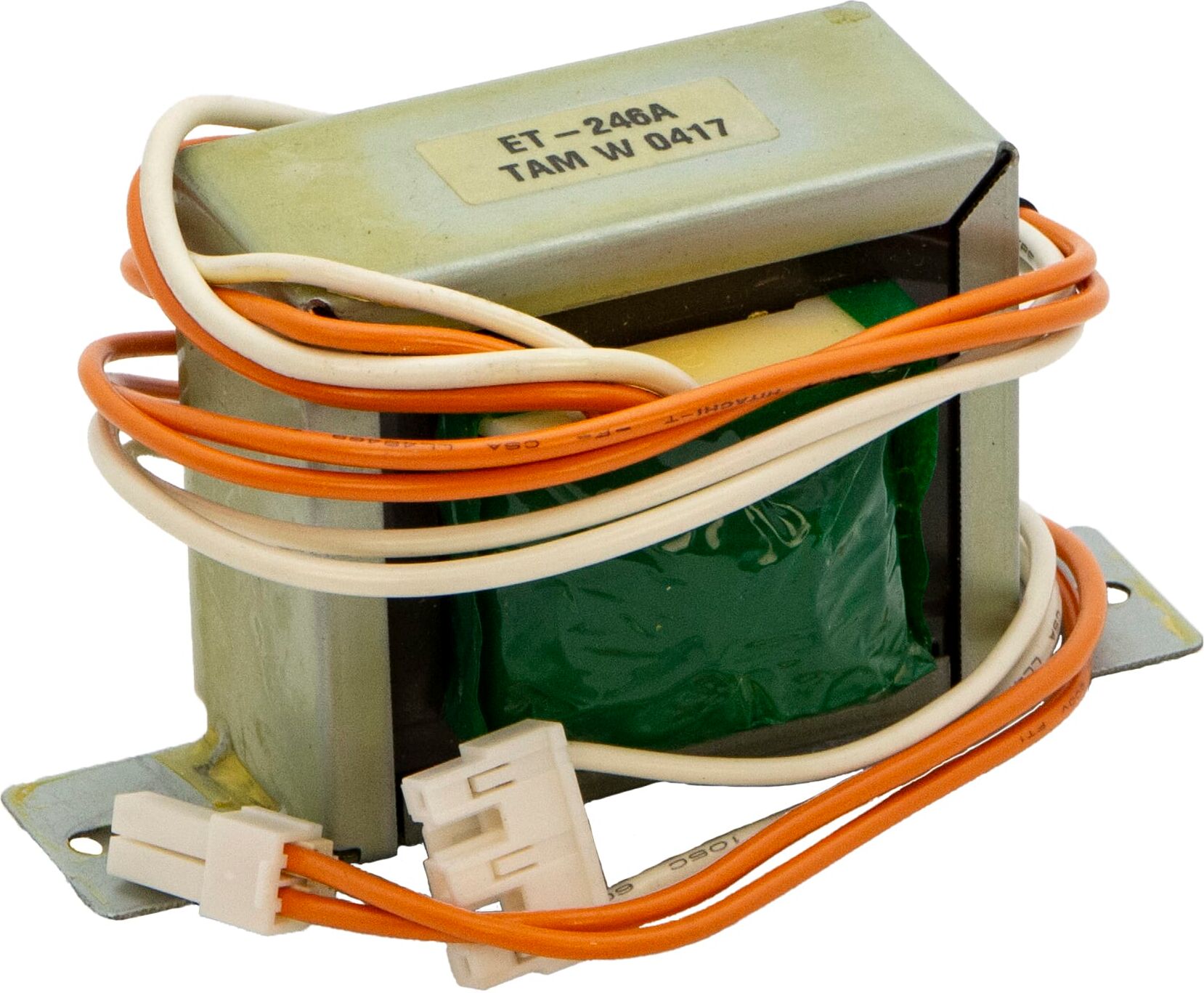

Is the transformer broken?
Without further information, it is difficult to determine if the transformer is broken. A professional inspection and diagnostic testing would be necessary to accurately assess the condition of the transformer. Signs of a broken transformer may include unusual noises, overheating, or failure to supply power. If there are concerns about the transformer's functionality, it is best to consult with a qualified technician for an evaluation. **
Is the transformer working?
Without more specific information about the transformer in question, it is difficult to determine if it is working or not. Transformers can be used in various applications such as power distribution, electronics, and electrical systems. To determine if a transformer is working, it would be necessary to conduct a thorough inspection, testing, and analysis of its performance in its intended application. If there are specific symptoms or issues with the transformer, those would need to be evaluated to determine if it is indeed working properly. **
Top-Angebote
Products related to Transformer:
-
Tools, Home & Hobby Heavy Duty Step Up Down Transformer, Voltage Converter Transformer, Power Converter Heavy Duty Step Up Down Transformer, Voltage Converter Transformer, Power ConverterTired of worrying about incompatible voltage damaging your devices This step up down transformer is designed for travelers, professionals, and homeowners who need reliable power conversion anywhere in the world. Built for durability and consistent...148,97 $*Shipping: 0,00 $Secure redirect to the provider
-
Tools, Home & Hobby 2000VA Variable Voltage Transformer Adjustable AC Voltage Regulator Power Supply 2000VA Variable Voltage Transformer Adjustable AC Voltage Regulator Power SupplyTake precise control of your power with a dependable variable voltage transformer built for flexible everyday use. This 2000VA unit accepts 110V AC input and provides adjustable 0130V output with up to 15.3A maximum current. Ideal for home...189,97 $*Shipping: 0,00 $Secure redirect to the provider
-
Drop Dash Deals Variac Transformer Variable Voltage AC Regulator Amp Variac Transformer Variable Voltage AC Regulator AmpTake full control of your electrical projects with this 1 pc of Variable Voltage AC Regulator, designed for precision and reliability. Perfect for electricians, hobbyists, and DIY enthusiasts, it delivers adjustable power safely and efficiently....249,97 $*Shipping: 0,00 $Secure redirect to the provider
-
How can one modify a microwave transformer?
Modifying a microwave transformer can be dangerous and should only be done by someone with the proper knowledge and experience. However, some common modifications include rewinding the transformer to change its output voltage, adding additional windings for different applications, or changing the core material to alter its magnetic properties. It's important to note that any modifications should be done with caution and with a thorough understanding of the potential risks and safety precautions. **
-
Can I connect a transformer to another transformer?
Yes, it is possible to connect one transformer to another transformer. This is known as transformer coupling and is commonly used in electrical systems to step up or step down voltage levels. By connecting the primary winding of one transformer to the secondary winding of another transformer, the voltage can be further adjusted to meet specific requirements. However, it is important to ensure that the transformers are properly matched and that the connection is made in accordance with the manufacturer's specifications to avoid damage or malfunction. **
-
How can I make a connection to the control transformer?
To make a connection to the control transformer, you will need to identify the primary and secondary terminals on the transformer. The primary terminals are typically connected to the power source, while the secondary terminals are connected to the control circuit. You can make the connection by using appropriate wire sizes and connectors, ensuring that the connections are secure and insulated properly to prevent any electrical hazards. It is important to follow the manufacturer's instructions and wiring diagrams to ensure the correct connection is made. **
-
What can be used to control a 30kV flyback transformer?
To control a 30kV flyback transformer, a high-voltage power supply is typically used to provide the necessary voltage input. Additionally, a control circuit is needed to regulate the switching of the transformer, usually using a pulse-width modulation (PWM) controller. Safety measures such as proper insulation, grounding, and protective circuitry are also essential to ensure the safe and reliable operation of the flyback transformer at such high voltages. **
Similar search terms for Transformer
-
Tools, Home & Hobby 2000VA Variable Voltage Transformer With LCD Display And Adjustable AC Voltage Regulator 2000VA Variable Voltage Transformer With LCD Display And Adjustable AC Voltage RegulatorTake control of your power with confidence and precision. This variable voltage transformer provides adjustable 0130V output from a 110V input, making it ideal for home workshops, offices, laboratories, and industrial applications. Its AC voltage...197,97 $*Shipping: 0,00 $Secure redirect to the provider
-
Rinnai P70EV-707 HD70E Transformer - Genuine SpareRinnai P70EV-707 HD70E Transformer - (P70EV-707) When a Rinnai HD70E goes completely dead — no display, no controller response, no ignition attempt at all — the transformer is one of the first things a qualified engineer should check. It sits between the 230V mains supply and the PCB, stepping mains voltage down to the low DC levels the control board and remote controller need to operate. Transformer voltages on the HD70E are measured with the appliance in standby, which makes bench testing straightforward. If the transformer has failed, the PCB gets no usable voltage at all — and even if every other component in the appliance is working correctly, the unit is effectively dead. This is easy to misdiagnose as a PCB fault, and replacing the PCB unnecessarily is a costly mistake when the real cause is a failed transformer. The P70EV-707 is54,00 £*Shipping: 5,00 £Secure redirect to the provider
-
Rinnai P70EV-720 Transformer (B) 32e - Genuine SpareRinnai P70EV-720 Transformer (B) 32e - (P70EV-720) The Infinity 32e uses two transformers, and getting the correct one matters — ordering the wrong unit means delay and wasted cost on a part that was never going to fix the fault. The P70EV-720 is Transformer (B), the second unit in the 32e's transformer pair, supplying AC 30–50V, AC 180–220V, and AC 12–18V to the PCB circuits. When any of these outputs drift outside range on a standby test, Transformer (B) is the component at fault. Transformer voltages should be measured with the appliance in standby, not while it's running — an important distinction for accurate bench diagnosis before ordering a part. A faulty transformer starves the circuits it feeds of their voltage supply, and depending on which output is affected, the symptoms can range from total appliance failure to intermittent swi156,60 £*Shipping: 0,00 £Secure redirect to the provider
-
All Categories Goods Heavy Duty Voltage Transformer Step Up Down Power Converters Heavy Duty Voltage Transformer Step Up Down Power ConvertersStart powering more with confidence whether youre bringing overseas electronics home or using equipment across continents, this heavyduty transformer makes it simple. This 3000W voltage transformer is engineered for reliable performance, converting...199,97 $*Shipping: 0,00 $Secure redirect to the provider
-
Can I replace a 12V15A transformer with a 12V2A transformer?
No, you cannot replace a 12V15A transformer with a 12V2A transformer. The 12V15A transformer is designed to handle a higher current (15A) compared to the 12V2A transformer. Using a lower current transformer could potentially overload the circuit and cause damage to the devices connected to it. It is important to match the voltage and current ratings of the transformer with the requirements of the devices being powered. **
-
Is a low-voltage transformer the same as a transformer?
A low-voltage transformer is a type of transformer that is specifically designed to convert high-voltage electricity into low-voltage electricity. While all low-voltage transformers are transformers, not all transformers are low-voltage transformers. Transformers can also be used to convert low-voltage electricity into high-voltage electricity or to simply transfer electricity from one circuit to another without changing the voltage. Therefore, while a low-voltage transformer is a type of transformer, the term "transformer" can refer to a broader range of devices. **
-
Is the transformer broken?
Without further information, it is difficult to determine if the transformer is broken. A professional inspection and diagnostic testing would be necessary to accurately assess the condition of the transformer. Signs of a broken transformer may include unusual noises, overheating, or failure to supply power. If there are concerns about the transformer's functionality, it is best to consult with a qualified technician for an evaluation. **
-
Is the transformer working?
Without more specific information about the transformer in question, it is difficult to determine if it is working or not. Transformers can be used in various applications such as power distribution, electronics, and electrical systems. To determine if a transformer is working, it would be necessary to conduct a thorough inspection, testing, and analysis of its performance in its intended application. If there are specific symptoms or issues with the transformer, those would need to be evaluated to determine if it is indeed working properly. **
* All prices are inclusive of VAT and, if applicable, plus shipping costs. The offer information is based on the details provided by the respective shop and is updated through automated processes. Real-time updates do not occur, so deviations can occur in individual cases. ** Note: Parts of this content were created by AI.